Strategic Visual Storytelling: Leveraging Watercolor Native American Art in Creative Projects
In the crowded landscape of digital and physical design, visual differentiation is not merely an aesthetic choice; it is a strategic imperative. For creators, small business owners, and marketers, the assets you choose define your brand’s voice before a single word is read. Watercolor Native American imagery offers a unique intersection of cultural depth, artistic softness, and historical resonance. When utilized with intention and respect, these visuals can elevate projects ranging from high-end stationery to bespoke packaging, providing a tactile and emotional connection that flat vector graphics often lack.
This guide explores how to integrate Watercolor Native American elements into your workflow effectively. We will examine the technical advantages of high-resolution transparent PNGs, discuss the strategic placement of such imagery across various mediums, and address the critical importance of cultural sensitivity in design decisions. The goal is to move beyond random decoration toward purposeful, impactful visual communication.
The Strategic Value of High-Resolution Transparent Assets
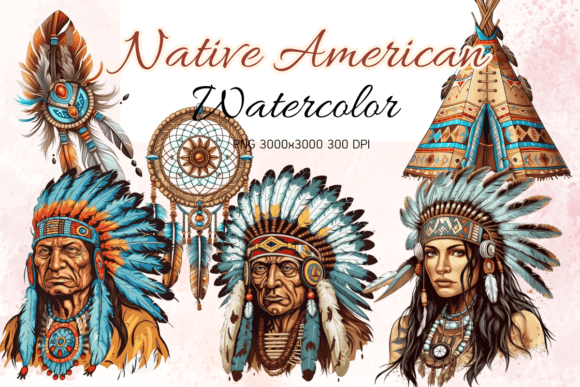
Before discussing aesthetics, we must address utility. The foundation of any efficient creative operation is asset quality. The Watercolor Native American collection described here provides six individual PNG images at 300dpi, sized at 3000×3000 pixels. This specification is not arbitrary; it is a operational necessity for professional results.
- Scalability without Degradation: A 3000px width allows for large-format printing, such as hardcover books or decorated furniture, without pixelation. Simultaneously, the high resolution ensures crisp edges when scaled down for jewelry tags or place cards.
- Workflow Efficiency: Transparent backgrounds eliminate the need for manual masking or complex layering in software like Photoshop or Procreate. This reduces production time, allowing entrepreneurs and freelancers to focus on composition and messaging rather than technical cleanup.
- Versatility Across Mediums: Whether you are designing for digital invitations or physical decoupage, the transparency ensures the watercolor textures blend naturally with underlying papers, fabrics, or digital backgrounds.
By starting with premium assets, you reduce friction in the creation process. This is a key principle of productive design: remove technical barriers so creativity can flow unimpeded.
Aligning Imagery with Brand Positioning and Audience
Using Watercolor Native American art requires a clear understanding of your audience and brand values. This style evokes themes of heritage, nature, spirituality, and resilience. It is not a generic decorative element; it carries weight. Therefore, its application should align with brands or projects that value authenticity, storytelling, and organic aesthetics.
Enhancing Customer Experience Through Tactile Design
For businesses involved in physical goods—such as handmade stationery, wedding invitations, or packaging—the visual texture of watercolor adds a layer of perceived value. The soft blends and organic edges of watercolor mimic hand-painted craftsmanship, which resonates with consumers seeking artisanal quality over mass-produced uniformity.
Consider the following applications:
- Luxury Packaging: Use subtle Watercolor Native American motifs on wrapping paper or box lids to create an unboxing experience that feels curated and thoughtful.
- Wedding and Event Stationery: These images work exceptionally well for invitations and place cards where a theme of earthiness, tradition, or bohemian elegance is desired. The transparency allows for layering over textured cardstock, enhancing the tactile feel.
- Journal and Book Covers: For publishers or creators of hardcover journals, these images can serve as central focal points that suggest introspection and history, appealing to readers who value depth and narrative.
Digital Applications for Content Creators
Beyond physical products, bloggers and digital marketers can use these assets to break up text-heavy content, create social media graphics, or design ebook covers. The key is consistency. If your brand voice is calm, reflective, and educational, the serene nature of watercolor art reinforces that message visually. However, if your brand is high-energy and tech-focused, this imagery may create cognitive dissonance. Always ensure the visual tone supports the strategic message.
Cultural Sensitivity and Ethical Design Practices
A critical component of using Watercolor Native American imagery is navigating cultural respect. This is not just a moral obligation; it is a risk management strategy. Misappropriation or trivialization of indigenous culture can lead to significant reputational damage and consumer backlash. Strategic designers understand that context matters.
Guidelines for Respectful Use:
- Avoid Stereotypes: Ensure the imagery is used in ways that honor rather than caricature. Avoid combining these images with unrelated or disrespectful themes.
- Contextual Relevance: Use these assets in projects that celebrate heritage, nature, or artistic expression. Avoid using them for purely commercial gimmicks that lack substantive connection to the themes represented.
- Educate Your Audience: If appropriate, use your platform to share information about the inspiration behind the art. This adds depth to your project and demonstrates thoughtfulness to your audience.
By approaching these assets with humility and awareness, you transform them from mere clipart into tools for meaningful connection. This approach builds long-term trust with your audience, a cornerstone of sustainable business growth.
Practical Implementation Across DIY and Professional Projects
The versatility of the six individual PNG files allows for diverse applications. Here is how to strategically deploy them across different project types:
Scrapbooking and Memory Keeping
In scrapbooking, the goal is to preserve memories with emotional resonance. Watercolor Native American elements can frame photos, create thematic borders, or serve as background layers. The transparent nature allows for overlapping with journaling cards and ephemera, creating depth and visual interest without clutter.
Jewelry and Small Crafts
For makers creating jewelry or small crafts, these high-resolution images can be printed onto shrink plastic, resin, or ceramic surfaces. The 300dpi quality ensures that fine details remain visible even at small scales. This enables the creation of unique, wearable art that stands out in saturated marketplaces like Etsy or local craft fairs.
Home Decor and Furniture
Decoupage and furniture decoration require durable, high-quality prints. Using these PNGs, you can transfer designs onto wooden boxes, trays, or chair seats. The watercolor style blends well with rustic, farmhouse, or eclectic interior design trends, offering a custom look that mass-produced decor cannot match.
Risks of Unintentional Design
While these assets are powerful, using them without a clear plan leads to mediocre outcomes. Common pitfalls include:
- Visual Clutter: Overusing detailed watercolor images can overwhelm the viewer. Use whitespace strategically to let the art breathe.
- Mismatched Color Palettes: Watercolor art has specific tonal qualities. Ensure your accompanying fonts and colors complement rather than clash with the image’s palette.
- Lack of Focal Point: Without a clear hierarchy, the eye does not know where to land. Use the Watercolor Native American image as either the primary focal point or a subtle accent, but not both simultaneously.
Effective design is about subtraction as much as addition. Ask yourself: Does this image advance my message? If the answer is no, remove it. Clarity drives conversion and engagement.
Long-Term Value and Brand Consistency
Investing in high-quality, versatile assets like these PNGs pays dividends over time. Unlike trend-driven graphics that fade quickly, watercolor aesthetics have enduring appeal. By integrating Watercolor Native American elements into a cohesive brand system, you create a recognizable visual language. This consistency builds brand recall and trust.
For educators and publishers, these images can enhance learning materials by providing visual anchors for historical or cultural topics. For entrepreneurs, they differentiate products in a crowded marketplace. For hobbyists, they elevate personal projects into heirloom-quality creations.
Ultimately, the value lies not in the image itself, but in how you wield it. Strategic use requires planning, respect, and a clear understanding of your goals. By treating these assets as tools for communication rather than mere decoration, you unlock their full potential. Whether you are designing a wedding invitation suite or branding a new product line, let intention guide your creativity. The result will be work that is not only visually stunning but also strategically sound and culturally respectful.
Remember, the best design solves problems. It clarifies messages, evokes appropriate emotions, and respects its subject matter. Use these Watercolor Native American resources to build projects that stand the test of time, both aesthetically and ethically.