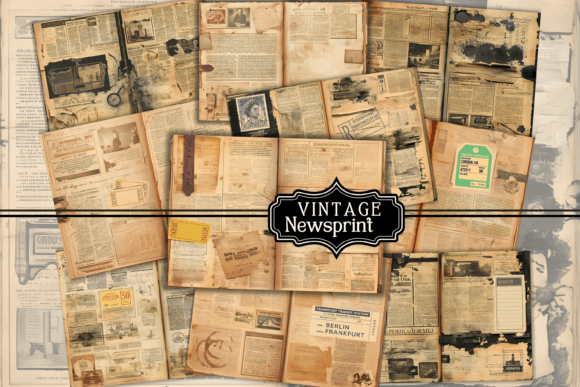
Vintage Newsprint A4 Papers for Design
Integrating texture and history into modern visual communication creates an immediate emotional connection with the audience. For graphic designers, marketers, and creative entrepreneurs, the Newsprint A4 Junk Journal Old Papers collection offers a sophisticated way to introduce aged aesthetics into digital and print workflows. These assets are not merely background images; they are foundational elements that enhance brand storytelling, add depth to editorial layouts, and provide a tactile feel to digital experiences.
The Role of Texture in Modern Graphic Design
In an era dominated by sleek, minimalist interfaces, incorporating vintage textures serves as a powerful counterpoint. It humanizes the design, suggesting authenticity and heritage. When you utilize high-resolution vintage newsprint papers, you are leveraging the psychological impact of nostalgia. This approach is particularly effective in branding strategies that aim to convey trustworthiness, craftsmanship, or artisanal quality. The subtle grain, faded ink effects, and typographic fragments found in these papers create a rich visual hierarchy that guides the viewer’s eye without overwhelming the primary message.
From a technical perspective, the quality of the asset is paramount. Low-resolution textures can appear pixelated and amateurish, detracting from the professional presentation of any project. The 300 DPI resolution ensures that every fiber and ink blot is crisp, allowing for seamless integration into both web and print mediums. This level of detail is crucial for maintaining visual integrity across various scales, from social media graphics to large-format packaging design.
Practical Applications for Creative Professionals
The versatility of vintage newsprint extends far beyond traditional junk journaling. Here is how designers can strategically apply these assets to elevate their work:
- Brand Identity and Logo Design: Use the paper texture as a backdrop for logo mockups to demonstrate how a brand looks in a real-world, organic context. This helps clients visualize the brand’s personality beyond the sterile digital screen.
- Social Media Graphics: In digital marketing, standing out is essential. Overlaying text on vintage newsprint backgrounds can stop the scroll, offering a unique aesthetic that contrasts with the polished, corporate look of competitors.
- Packaging Design: For products emphasizing natural ingredients or handmade qualities, incorporating these textures into label designs or wrapping paper enhances the unboxing experience, reinforcing the brand’s commitment to authenticity.
- Editorial and Web Design: While direct use in UI design requires careful handling to ensure readability, these textures can inspire color palettes and layout structures. They can also be used subtly in hero sections or blog headers to add warmth to editorial content.
Enhancing Visual Hierarchy and Composition
When working with busy textures like old newspapers, maintaining readability is a critical design challenge. The key lies in contrast and layering. Designers should employ solid or semi-transparent overlays to create a neutral space for typography. This technique ensures that the vintage aesthetic supports the content rather than competing with it. By adjusting the opacity of the newsprint layer, you can control the intensity of the effect, ensuring it complements the existing brand identity without causing visual clutter.
Typography plays a pivotal role in this synergy. Pairing vintage textures with clean, modern sans-serif fonts creates a compelling juxtaposition that feels contemporary yet grounded. Alternatively, using classic serif fonts can amplify the historical narrative, making it ideal for projects related to history, literature, or luxury goods. The goal is to achieve a balanced composition where the texture adds character, and the typography delivers clarity.
Selecting the Right Assets for Your Workflow
Not all digital papers are created equal. When evaluating resources like the Vintage Newsprint Junk Journal Papers - A4 Digital Download, consider the following factors to ensure they align with your design goals:
- Resolution and Scalability: Ensure files are at least 300 DPI for print readiness. This allows for flexibility in resizing without losing quality, which is essential for professional print design and high-end merchandise.
- Authenticity of Effect: Look for designs that mimic real aging processes—such as yellowing, foxing, and ink bleed—rather than generic filters. Authentic details contribute to a more convincing and premium final product.
- Versatility of Format: High-quality JPGs are standard, but ensure the files are easy to import into your preferred software, whether it is Adobe Photoshop, Illustrator, or Canva. Seamless integration into your design workflow saves time and reduces friction.
Ultimately, the choice of creative assets reflects the designer’s attention to detail and understanding of visual psychology. By incorporating thoughtfully crafted vintage elements, you enrich the user experience and create memorable visual narratives. These papers are more than just backgrounds; they are tools for storytelling, enabling creators to bridge the gap between past and present, tradition and innovation. Embrace these textures to add depth, character, and a distinct voice to your next creative project.