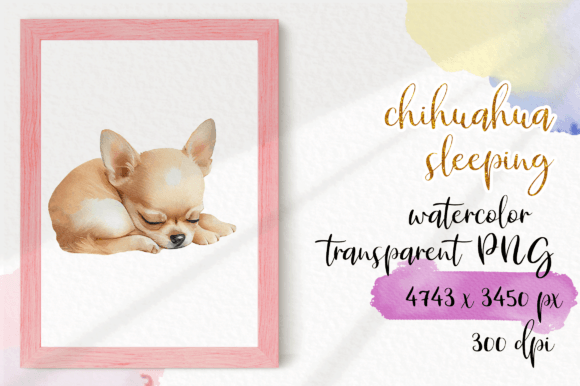
Chihuahua Sleeping Watercolour: A Practical Guide for Designers and Pet Enthusiasts
In the expansive world of digital design assets, finding imagery that balances professional quality with genuine emotional resonance can be a challenge. For designers, crafters, and content creators, the Chihuahua sleeping watercolour style has emerged as a distinct niche that bridges the gap between high-end artistic illustration and accessible digital utility. This specific aesthetic combines the delicate, fluid nature of traditional watercolor painting with the endearing subject matter of a resting Chihuahua, creating a resource that is both visually soothing and highly versatile.
When evaluating whether this type of clipart fits your current project requirements, it is essential to look beyond surface-level cuteness. Understanding the technical specifications, stylistic nuances, and comparative advantages of watercolor assets over other digital formats will help you make an informed decision. This guide explores the unique characteristics of Chihuahua sleeping watercolour illustrations, compares them to alternative design styles, and outlines the best use cases for integrating them into your creative workflow.
Defining the Aesthetic and Technical Value
The appeal of a Chihuahua sleeping watercolour image lies in its ability to convey warmth and tranquility. Unlike photographic images, which can sometimes feel sterile or overly commercial, watercolor illustrations carry a handcrafted texture that suggests care and authenticity. The soft edges, blended hues, and organic imperfections inherent in the watercolor medium evoke a sense of nostalgia and comfort. When applied to the subject of a sleeping dog, these qualities amplify the feeling of peace and domestic joy.
From a technical standpoint, high-quality digital watercolor assets are typically delivered as PNG files with transparent backgrounds. This format is crucial for seamless integration into various design layouts. A resolution of 300 DPI (dots per inch) is the industry standard for print-ready materials, ensuring that the delicate brushstrokes remain crisp and detailed whether printed on a small gift tag or a large wall art poster. The transparency allows designers to layer the image over different backgrounds without the awkward white boxes often associated with lower-quality JPEGs.
It is important to distinguish between generic clipart and professionally rendered watercolor illustrations. Generic options may lack depth, featuring flat colors and hard outlines that detract from the artistic intent. In contrast, a well-executed Chihuahua sleeping watercolour piece will exhibit subtle gradations in tone, capturing the texture of fur and the softness of closed eyes through layered washes of color. This level of detail is what elevates the asset from a simple icon to a focal point in your design.
Comparing Watercolour Styles to Other Digital Assets
When selecting visual elements for a project, designers often weigh watercolor illustrations against other popular styles such as vector graphics, photography, and flat digital art. Each approach has distinct strengths and limitations, and the right choice depends largely on the intended message and medium.
Watercolour vs. Vector Graphics: Vector images are scalable infinitely without loss of quality, making them ideal for logos and large-scale signage. However, vectors often lack the organic texture and emotional warmth of watercolor. A vector Chihuahua might look clean and modern, but it may not convey the same sense of coziness or artisanal charm. If your goal is to create a welcoming, homey atmosphere, the watercolor style is generally superior. Conversely, if you need strict brand consistency across massive formats, vector might be the more practical choice.
Watercolour vs. Photography: Photographs offer realism and immediate recognition. Yet, they can be limiting in terms of color palette and composition. A photo of a sleeping dog requires specific lighting and staging, and background removal can often result in unnatural edges. A Chihuahua sleeping watercolour illustration allows for artistic interpretation, enabling the artist to emphasize certain features or soften others to suit the design’s mood. Additionally, watercolor assets blend more naturally with text and other graphic elements, whereas photos often compete for attention.
Watercolour vs. Flat Digital Art: Flat design is popular for its clarity and simplicity, particularly in user interface design. However, it can appear cold or impersonal in contexts that require emotional engagement. Watercolor introduces complexity and depth through its translucent layers, making it a better fit for projects aimed at evoking feelings of care, love, or relaxation.
Ideal Use Cases for Chihuahua Sleeping Watercolour
Understanding where this specific asset shines helps maximize its value. The versatility of a high-resolution PNG with a transparent background means it can be adapted for a wide range of applications. Here are some of the most effective ways to utilize Chihuahua sleeping watercolour imagery:
- Greeting Cards and Invitations: The gentle nature of a sleeping dog makes it perfect for occasions centered around warmth, such as baby showers, get-well-soon cards, or thank-you notes. The watercolor style adds a personal, hand-written feel that resonates with recipients.
- Scrapbooking and Journaling: For those who document memories physically or digitally, watercolor elements provide a cohesive aesthetic that complements handwritten notes and photographs. They add visual interest without overwhelming the page.
- Social Media and Web Graphics: In a feed dominated by bold, high-contrast images, a soft watercolor illustration can serve as a calming visual break. It works well for blog headers, Instagram posts, or website banners where the goal is to create a friendly, approachable brand identity.
- Personalized Merchandise: From t-shirts and tote bags to mugs and phone cases, watercolor designs translate beautifully onto fabric and ceramic. The organic look appeals to consumers looking for unique, non-mass-produced items.
- Home Décor and Wall Art: Printed on high-quality paper or canvas, these illustrations can serve as charming accents in nurseries, living rooms, or home offices, contributing to a serene environment.
Evaluating Limitations and Decision Factors
While Chihuahua sleeping watercolour assets offer numerous benefits, they are not a universal solution. Designers must consider potential limitations before committing to this style. One primary constraint is color compatibility. Watercolor palettes are often soft and muted, which may clash with designs requiring vibrant, neon, or strictly corporate color schemes. If your brand guidelines demand high-saturation primary colors, a watercolor asset might require significant adjustment or may simply not fit the visual language.
Another factor is scalability. While 300 DPI is excellent for print and standard digital use, watercolor textures can lose their definition if enlarged excessively beyond their original dimensions. Unlike vectors, they cannot be scaled up indefinitely without pixelation. Therefore, it is crucial to ensure the purchased file size meets the maximum dimensions required for your largest intended output.
Additionally, consider the target audience. While watercolor appeals to a broad demographic, it particularly resonates with audiences who value craftsmanship, nature, and emotional connection. For tech-heavy, industrial, or ultra-modern brands, this style might feel too casual or traditional. Assessing your audience’s preferences is key to determining if the Chihuahua sleeping watercolour aesthetic aligns with your communication goals.
Making the Right Choice for Your Project
Selecting the right visual asset involves balancing aesthetic preference with practical requirements. If your project aims to evoke warmth, comfort, and a personal touch, a Chihuahua sleeping watercolour illustration is an excellent choice. Its ability to blend seamlessly into various backgrounds, combined with its emotional appeal, makes it a valuable tool for designers seeking to connect with their audience on a deeper level.
However, if your project demands strict scalability, bold modernism, or corporate rigidity, you may need to explore vector graphics or photographic alternatives. The key is to view the watercolor asset not just as a decorative element, but as a strategic component of your overall design narrative. By understanding its strengths and limitations, you can leverage its unique qualities to enhance your creative work effectively.
Ultimately, the decision comes down to the story you want to tell. A sleeping Chihuahua rendered in watercolor tells a story of peace, affection, and gentle beauty. If that narrative aligns with your brand or personal project, this asset offers a refined, professional, and heartwarming solution that stands out in a crowded digital landscape. Always review the technical specifications, such as file format and resolution, to ensure the asset meets your production needs, and consider how it complements your existing design elements for a cohesive final product.